
Preventive & Periodontal Care
Periodontal Therapy in Minnesota
Targeted gum care that goes deeper than a standard cleaning.
When gum disease advances beyond gingivitis, standard cleanings are no longer enough. Periodontal therapy delivers the deeper level of care needed to remove bacterial deposits below the gumline, reduce pocket depths, and stop the progression of disease before it causes irreversible damage.

Periodontal Therapy in Minnesota
Periodontal therapy encompasses the range of non-surgical and surgical treatments used to manage gum disease and restore gum health. The goal is to eliminate infection, reduce inflammation, and create conditions where healthy tissue can reattach and thrive. For most patients in the early to moderate stages of gum disease, non-surgical options are highly effective.
Core Periodontal Treatments
- Scaling and Root Planing Often called a deep cleaning, this procedure removes plaque and tartar from below the gumline and smooths root surfaces to discourage bacterial reattachment.
- Periodontal Maintenance After active treatment, patients transition to maintenance visits every three to four months to monitor healing and prevent recurrence.
- Antibiotic Therapy Locally applied antibiotics can be placed directly into infected pockets to target bacteria that scaling alone may not fully eliminate.
- Laser Periodontal Therapy Soft tissue lasers offer a precise, minimally invasive alternative for debriding infected tissue and sterilizing periodontal pockets.
The Connection Between Gum Health and Whole-Body Wellness
Periodontal disease is now well-established as a contributor to systemic inflammation and is linked to increased risk of cardiovascular disease, diabetes complications, and adverse pregnancy outcomes. Treating gum disease is an investment not just in your smile but in your broader health and quality of life.
What to Expect During Periodontal Therapy
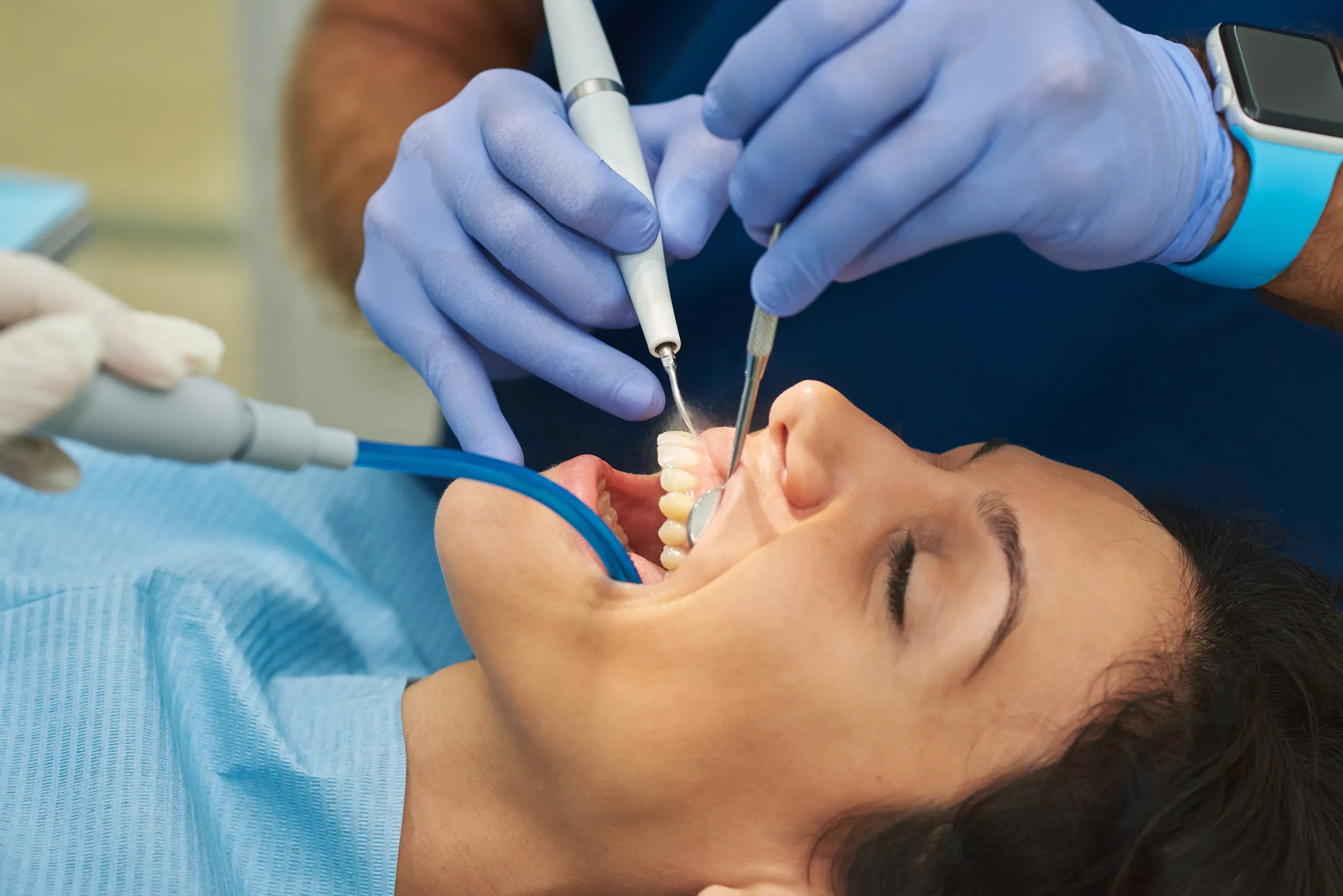
Scaling and root planing is typically performed in two appointments, treating one half of the mouth at a time under local anesthesia. Most patients experience minimal discomfort during the procedure and some tenderness in the days following. A follow-up evaluation is scheduled after healing to assess pocket depths and determine whether additional treatment is needed.
Periodontal Therapy FAQ
- What is the difference between a regular cleaning and periodontal therapy?
- A regular prophylaxis cleaning maintains health above the gumline. Periodontal therapy goes below the gumline to treat active infection and is reserved for patients with gum disease.
- Is periodontal treatment painful?
- The procedure is performed with local anesthesia to ensure comfort. Mild soreness and sensitivity following treatment are normal and resolve within a few days.
- How do I know if I need periodontal therapy?
- Signs include bleeding gums, deep gum pockets measured at your exam, gum recession, persistent bad breath, and bone changes visible on X-rays. Your provider will let you know based on your evaluation.
- How many visits does periodontal therapy require?
- Most patients complete the active phase in two appointments. Ongoing maintenance visits every three to four months are then required to sustain results.
- Will my insurance cover periodontal treatment?
- Many dental plans offer partial coverage for periodontal therapy. Coverage varies by plan, and our team can help review your benefits before treatment begins.
- Can gum disease return after periodontal therapy?
- Yes, without consistent maintenance care it can recur. Regular periodontal maintenance visits and diligent home care are essential for long-term success.
Your Holistic Dentist
Meet Dr. Miller