
Preventive Dentistry
Oral Cancer Screenings in Minnesota
A quick, painless check that could make a life-changing difference.
Oral cancer is among the most survivable cancers when caught early, yet it remains one of the most deadly when detected late. Routine oral cancer screenings performed at every dental visit give your provider the opportunity to identify suspicious changes before symptoms appear and while treatment options are most effective.
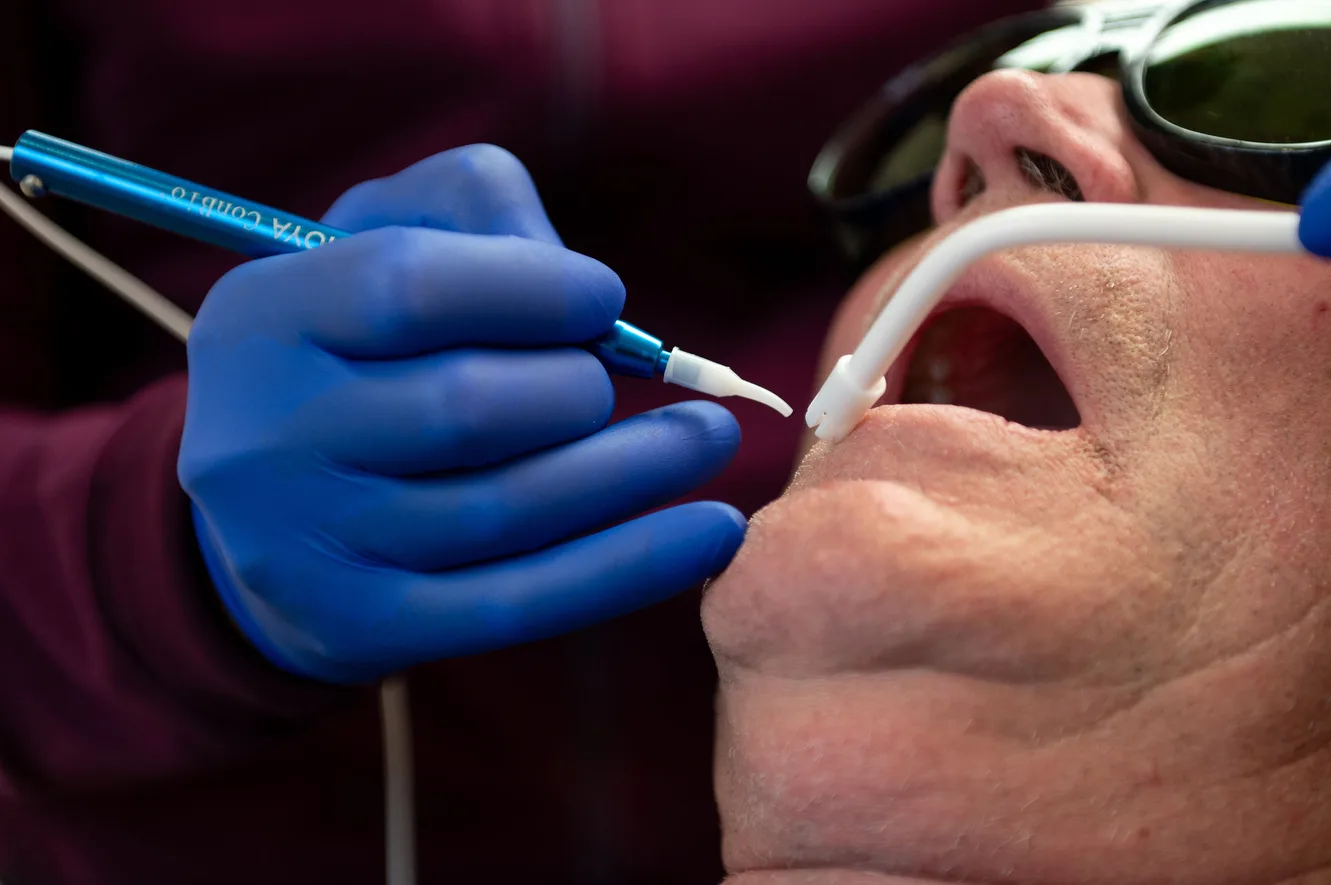
Oral Cancer Screenings in Minnesota
Oral cancer can develop on the lips, tongue, cheeks, floor of the mouth, hard and soft palate, sinuses, and throat. Risk factors include tobacco use, heavy alcohol consumption, HPV infection, excessive sun exposure to the lips, and a personal or family history of cancer. However, oral cancer also occurs in patients with no known risk factors, making routine screening valuable for everyone.
What Is Screened During an Oral Cancer Exam?
- Visual Examination Your provider carefully inspects the lips, tongue, gums, floor and roof of the mouth, inner cheeks, and back of the throat for any unusual discoloration, lesions, or asymmetry.
- Physical Palpation The jaw, neck, and lymph nodes are gently felt for lumps, swelling, or tenderness that may indicate underlying changes.
- Soft Tissue Assessment Any red patches, white patches, ulcers, or unusual growths are documented and evaluated for clinical significance.
- Follow-Up if Needed If anything suspicious is found, your provider will recommend a follow-up appointment, a biopsy referral, or monitoring depending on the findings.
Warning Signs to Watch For Between Visits
You are your own first line of defense. Contact your dental provider if you notice a sore or irritation in your mouth that does not heal within two weeks, red or white patches, a lump or thickening in the cheek, difficulty chewing, swallowing, or moving the jaw, persistent hoarseness, or numbness in the mouth or throat.
Prevention and Early Detection
Avoiding tobacco and excessive alcohol, protecting your lips from sun exposure, maintaining your HPV vaccination schedule, and attending regular dental visits are the most important steps in both reducing risk and catching any changes early. Early-stage oral cancer has a survival rate significantly higher than advanced-stage disease.
Oral Cancer Screenings FAQ
- How often should I have an oral cancer screening?
- An oral cancer screening is included as part of your comprehensive dental exam, which is recommended at least twice per year. Patients with known risk factors may benefit from more frequent monitoring.
- Does an oral cancer screening hurt?
- Not at all. The exam is completely painless and takes only a few minutes. It consists of a visual inspection and gentle palpation of the oral tissues and surrounding lymph nodes.
- Can I get oral cancer if I have never smoked?
- Yes. HPV-related oral cancers are increasingly common among non-smokers. Oral cancer can affect anyone, which is why routine screening is important for all patients regardless of risk profile.
- What happens if my dentist finds something suspicious?
- If an area of concern is identified, your provider will discuss the findings with you and may recommend monitoring over two to four weeks, or a referral for a biopsy to determine the nature of the tissue. Most suspicious findings turn out to be benign.
- What does oral cancer look like?
- It can appear as a red or white patch, a sore that does not heal, a lump or thickening in soft tissue, or an unexplained bleeding area. Many early lesions cause no pain, which is why visual examination is essential.
- Is oral cancer treatable?
- Yes, especially when caught early. Early-stage oral cancer has a significantly higher survival rate than advanced disease. Regular screenings are one of the most important things you can do for long-term health.
Your Holistic Dentist
Meet Dr. Miller