

Restorative Dentistry
Composite Fillings in Minnesota
Restore your tooth naturally with a filling that blends right in.
Composite fillings use a tooth-colored resin material to repair cavities and minor tooth damage while preserving a natural appearance. Unlike traditional metal fillings, composite resin bonds directly to the tooth, requires less removal of healthy structure, and leaves a result that is virtually undetectable.

Composite Fillings in Minnesota
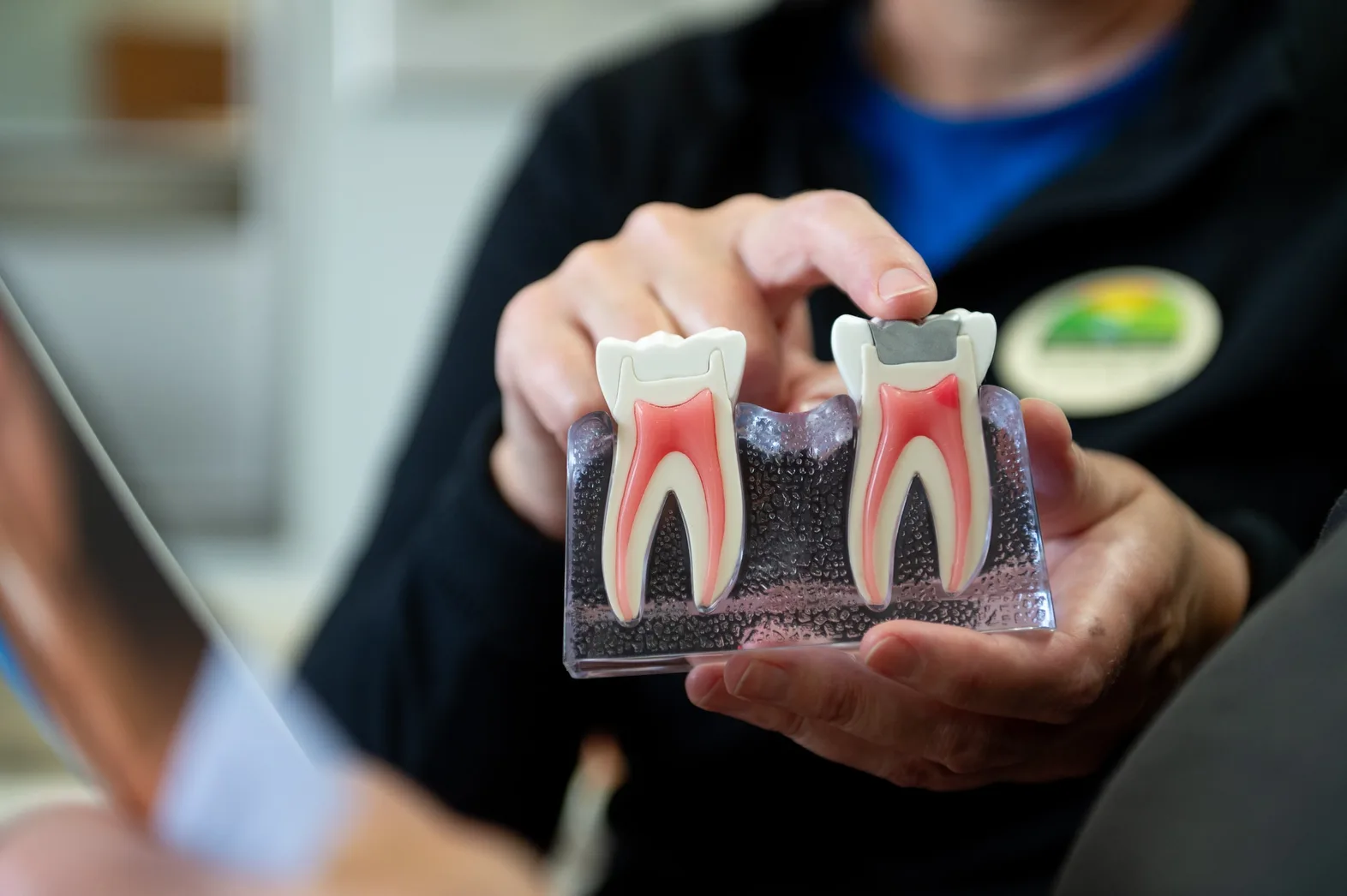
When decay is detected and removed, the void left behind must be filled to restore the tooth structure and prevent further damage. Composite resin fillings accomplish this beautifully. Shade-matched to your natural tooth color, they restore strength and function while maintaining the look of a healthy, untouched tooth.
Why Choose Composite Over Amalgam?
- Natural Appearance Composite resin is matched precisely to your tooth color, making fillings invisible in normal conversation and photos.
- Conservative Tooth Preparation Composite bonds chemically to the tooth, requiring less removal of healthy enamel than amalgam.
- Mercury-Free For patients who prefer to avoid amalgam materials, composite offers a completely metal-free and mercury-free alternative.
- Versatility Composite can also repair chipped teeth, worn edges, and minor structural damage beyond just cavities.
The Filling Process
The area is numbed with local anesthesia, the decayed portion of the tooth is removed, and the tooth surface is prepared for bonding. Composite resin is placed in layers, each hardened with a curing light, and then shaped and polished to match the natural contours of your tooth. The entire process is typically completed in a single appointment.
How Long Do Composite Fillings Last?
With good oral hygiene and regular professional care, composite fillings typically last seven to ten years or more. The longevity depends on the size of the filling, the location in the mouth, and your oral habits. Your provider will monitor your fillings at every checkup.

Composite Fillings FAQ
- Are composite fillings as strong as metal fillings?
- For small to medium-sized cavities, composite fillings are just as durable as amalgam. For very large restorations in high-pressure areas like back molars, your provider may discuss whether additional options are worth considering.
- Does getting a filling hurt?
- The area is numbed before the procedure begins, so you should feel little to no discomfort. Some mild sensitivity after placement is normal and typically fades within a few days.
- Can old metal fillings be replaced with composite?
- Yes. Many patients choose to replace existing amalgam fillings with tooth-colored composite for aesthetic and health-conscious reasons. We can evaluate your current fillings and discuss your options.
- How do I know if I have a cavity?
- Many cavities develop without symptoms, which is why regular exams and X-rays are essential. When symptoms do occur, they may include tooth sensitivity, visible dark spots, or pain when biting.
- Will my insurance cover composite fillings?
- Most dental plans cover composite fillings for front teeth at the same rate as amalgam. Coverage for back teeth varies by plan. We can help clarify your benefits before treatment.
- How do I prevent cavities after getting a filling?
- Consistent brushing, flossing, limiting sugary foods and drinks, and maintaining regular professional cleanings are the most effective ways to protect your restored tooth and prevent new decay.
Your Holistic Dentist
Meet Dr. Miller