

Parent Dental Tips
Helping Parents Raise Healthy Smiles
Early Dental Visits
A child’s first dental visit helps us monitor growth, check for early concerns, and guide parents on brushing, teething, feeding habits, and prevention.
Healthy Home Habits
Simple routines like cup drinking, proper brushing, and avoiding bedtime bottles can help protect your child’s teeth from early decay.
Parent Wellness Tips
From pregnancy through the toddler years, we offer helpful guidance on oral health, nutrition, teething, and wellness-focused product recommendations.
Parent Wellness Guide
Parent Information
Helpful guidance for expectant parents, infants, and young children. These answers cover early dental visits, bottle habits, teething, brushing, nutrition, and wellness-focused tips to support your child’s oral health from the beginning.
- What should expectant mothers know about prenatal vitamins?
- Expectant mothers should talk with their OB, midwife, or healthcare provider about which prenatal vitamin is right for them. Some women ask about choosing a prenatal that contains folate (often listed as methylfolate) rather than synthetic folic acid, especially if they have concerns about mood, hormones, or overall wellness. Good nutrition during pregnancy also supports the developing baby's teeth, which begin forming in the womb.
- Can wild yam cream help with postpartum hormones?
- Some mothers explore wild yam cream as part of postpartum hormone support, though research on its effects is limited. It is important to speak with a doctor, midwife, or other healthcare provider before using it, especially while breastfeeding or managing any health conditions. Dr. Miller's functional-medicine perspective encourages parents to look at postpartum wellness as a whole, including rest, nutrition, and stress.
- Can a xylitol nasal spray help support my infant's ear and airway health?
- Xlear nasal spray, a saline spray made with xylitol, is sometimes used by families as part of an infant wellness routine. Parents should always ask their pediatrician or healthcare provider before using any nasal product with a baby. Healthy nasal breathing matters for oral development, because chronic mouth breathing can contribute to dry mouth and may influence how the jaws and palate grow.
- When should my child have their first dental visit?
- Valley View Dental typically recommends a child's first dental visit by age one, or within six months after the first tooth appears. This early exam lets Dr. Miller check for signs of early childhood caries, look at tooth eruption and jaw growth, and coach parents on brushing, feeding habits, and fluoride-free prevention. Families from St. Peter and nearby towns like Kasota and Le Center are welcome.
- What is early childhood tooth decay?
- Early childhood caries, sometimes called baby bottle tooth decay or nursing caries, is decay in a young child's baby teeth. It often develops when teeth are exposed to milk, formula, juice, or other sugars for long periods, especially during naps or overnight, when saliva flow slows. It usually appears first on the upper front teeth as white chalky spots that can progress to brown cavities.
- When should my baby start eating solid foods?
- Many infants begin solid foods around six months of age, with guidance from their pediatrician. Introducing safe, age-appropriate foods helps children develop chewing skills, strengthen the muscles of the jaw and tongue, and explore new textures. From a dental perspective, favoring whole foods and limiting added sugars and sticky snacks from the start helps protect newly erupting baby teeth.
- When should children start drinking from a cup?
- As children approach their first birthday, parents can begin encouraging drinking from an open or straw cup. Children should not fall asleep with a bottle, because milk or formula pooling around the teeth increases the risk of early childhood caries. When juice is offered, it should be limited and diluted with water, and plain water is the best choice between meals.
- When should my child be weaned from the bottle?
- Many children are ready to transition away from the bottle around 12 to 14 months of age. Moving to a cup at this stage helps support healthy oral development, including tongue posture and jaw growth, and reduces prolonged exposure of the teeth to the natural sugars in milk and formula. Your pediatrician and Dr. Miller can help with a gradual plan if your child resists.
- Is thumb sucking normal for babies and toddlers?
- Yes, thumb sucking is a normal self-soothing habit for infants, and many children stop on their own by age two. If the habit continues beyond age three, or as permanent teeth approach, it may affect tooth alignment, the shape of the palate, or bite development, such as an open bite. The Valley View Dental team can offer gentle guidance for helping a child break the habit.
- Is it okay to dip a pacifier in honey or something sweet?
- No. Pacifiers should never be dipped in honey, sugar, syrup, or anything sweet before giving them to a baby. Sugar feeds the bacteria that cause early childhood caries, and honey is not considered safe for infants under 12 months because of the risk of infant botulism. A clean, plain pacifier is the safest option.
- How should parents brush a young child's teeth?
- Use a soft, child-sized toothbrush with a small head and a pea-sized amount of toothpaste, brushing gently along the gumline twice a day. Valley View Dental recommends fluoride-free toothpaste with nano-hydroxyapatite, such as Dr. Jen's toothpaste. Teach children to spit rather than swallow, and help with brushing until at least age four, since young children lack the dexterity to clean every surface.
- What is nano-hydroxyapatite toothpaste?
- Nano-hydroxyapatite is a biocompatible mineral that closely mimics the hydroxyapatite that makes up natural tooth enamel and bone. In toothpaste, it is used to help remineralize early weak spots in enamel and reduce sensitivity without fluoride. Some dentists, including Dr. Miller, recommend fluoride-free nano-hydroxyapatite toothpaste for young children, who are still learning not to swallow toothpaste.
- What fluoride-free toothpaste does Valley View Dental recommend?
- Valley View Dental recommends Dr. Jen's Fluoride-Free Toothpaste, which contains 10% nano-hydroxyapatite, for families who want a fluoride-free option. It is designed to support enamel remineralization in a formula that is gentle for children and adults alike. Ask a member of the clinical team how to get a tube at your next visit in St. Peter.
- What can help soothe my child's teething discomfort?
- From around six months to age three, children may have sore, swollen gums as baby teeth erupt. A clean, cooled (not frozen) teething ring can help soothe discomfort and give your child something safe to chew. Gently rubbing the gums with a clean finger may also help. If your child has a high fever or seems unusually unwell, check with your pediatrician, since teething alone does not typically cause those symptoms.
- Should parents clean a pacifier with their own mouth?
- No. Parents should avoid cleaning pacifiers, spoons, or other utensils with their own mouth before giving them to a child. Saliva can transfer cavity-causing bacteria such as Streptococcus mutans from adults to babies, which may increase the child's risk of early childhood caries. Rinse pacifiers with clean water instead, and keep a spare on hand for when one drops.
Growing Smiles Start Here
Support Your Child’s Smile With Gentle, Wellness-Focused Dental Guidance
NEW PATIENT FORM


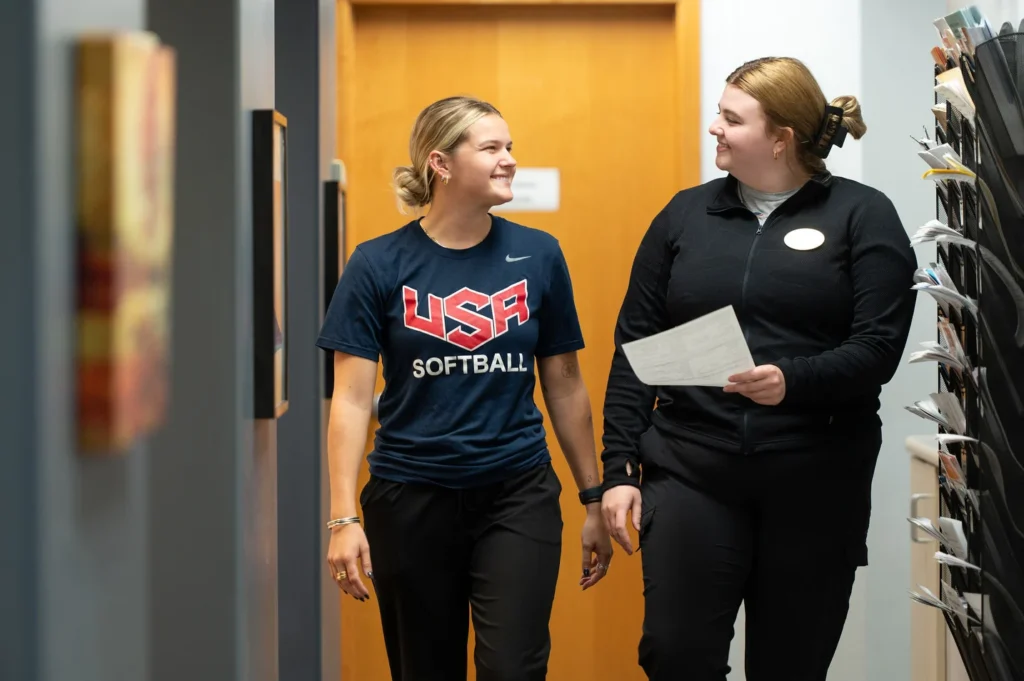
Every stage of your child’s development brings new questions about teeth, feeding habits, brushing, nutrition, teething, and prevention. Our team is here to help parents feel informed and confident with practical guidance that supports healthy habits at home and comfortable dental experiences in the office. From a child’s first visit to ongoing preventive care, we focus on helping growing smiles stay strong, healthy, and supported from the very beginning.