

Restorative Dentistry
Inlay & Onlay Restorations in Minnesota
A precise, natural-looking solution for moderate tooth damage.
When a cavity or fracture is too large for a filling but does not require a full crown, an inlay or onlay offers an ideal middle ground. These custom-fabricated restorations are crafted to fit the exact contours of your tooth, preserving more natural structure while delivering outstanding strength and aesthetics.

Inlay & Onlay Restorations in Minnesota
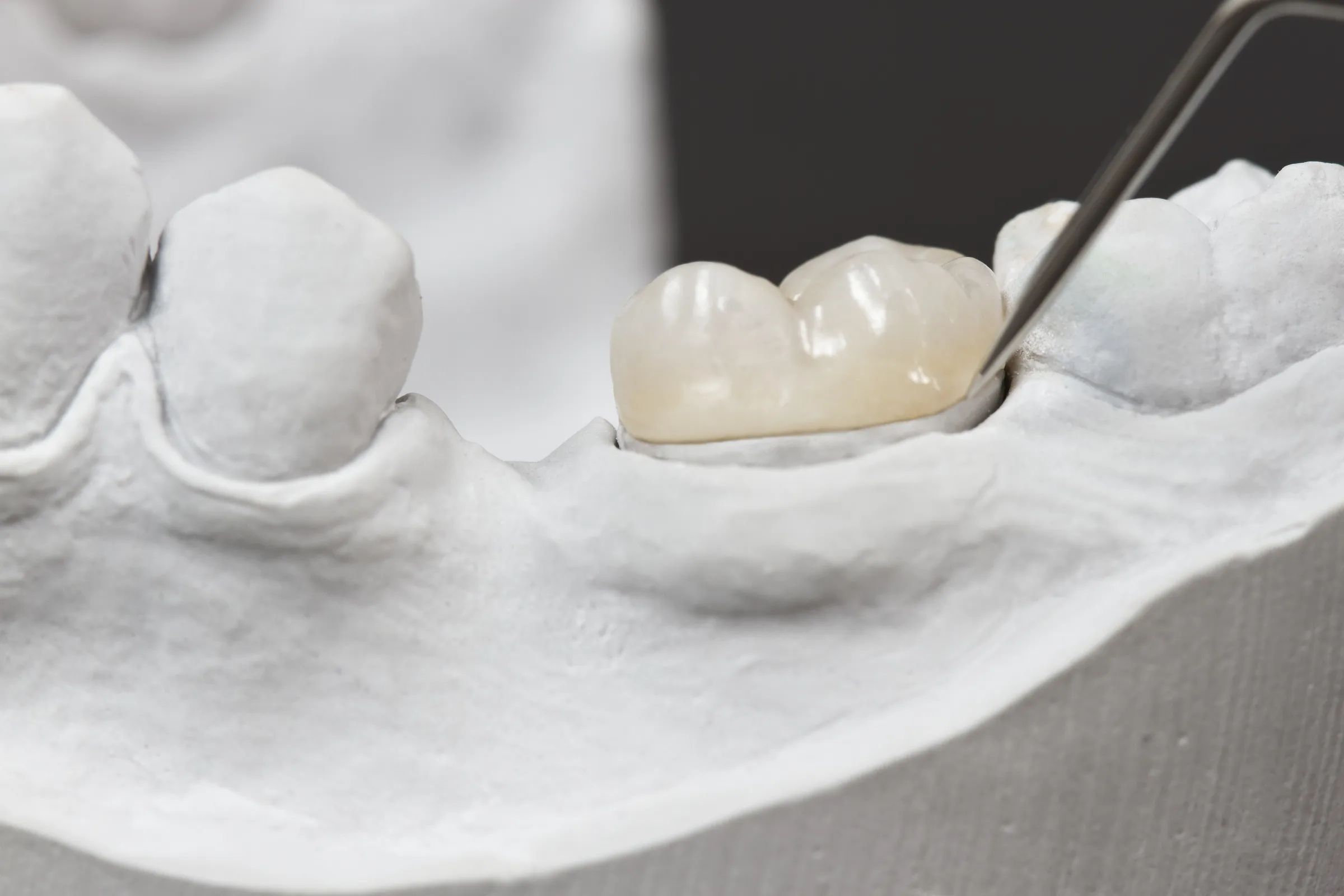
Inlays and onlays are indirect restorations, meaning they are fabricated in a dental lab from an impression of your tooth and then bonded precisely into place. This approach provides a stronger, more durable, and better-fitting result than a direct filling for moderate-sized restorations.
Inlays vs. Onlays: What Is the Difference?
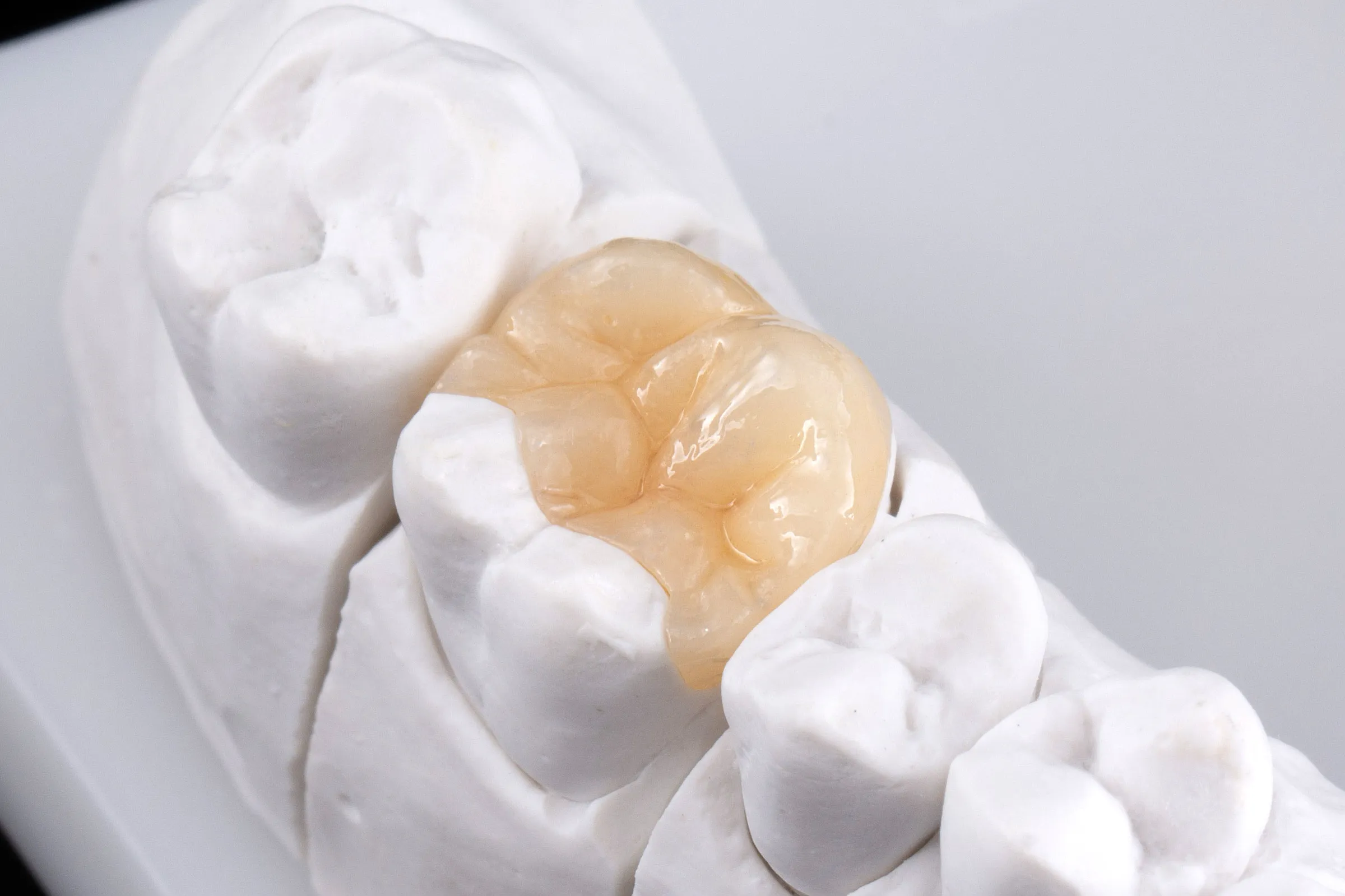
- Inlay Fits within the cusps of a back tooth, restoring the central chewing surface. Used when damage is confined to the area between the cusps.
- Onlay Extends over one or more cusps of the tooth, used when damage involves the biting surface and extends to the outer edges. Also sometimes called a partial crown.
Why Choose Inlays or Onlays?
- Conservative Tooth Preparation More natural tooth structure is preserved compared to a full crown, which requires removing significantly more healthy enamel.
- Superior Fit and Strength Lab-fabricated restorations are precision-made for an exact fit that seals margins more effectively and resists wear better than a direct filling.
- Tooth-Colored Materials Ceramic and composite inlays and onlays blend naturally with surrounding tooth structure for a seamless, invisible result.
- Longevity With good oral hygiene, inlays and onlays can last fifteen to thirty years or more.
The Process
The damaged or decayed portion of the tooth is removed at the first appointment, and an impression is taken to guide lab fabrication. A temporary restoration is placed to protect the tooth while the permanent piece is being made. At the second appointment, the inlay or onlay is carefully bonded and polished for a comfortable, natural result.
Inlay & Onlay Restorations FAQ
- What is the difference between an inlay, onlay, and a crown?
- An inlay fills the area between cusps. An onlay covers one or more cusps. A crown covers the entire visible tooth. Inlays and onlays are used when damage is too extensive for a filling but not severe enough to require a full crown.
- Are inlays and onlays better than fillings?
- For larger restorations, yes. Indirect restorations provide a stronger, better-fitting, and longer-lasting result than a large direct filling. For small cavities, a filling remains the simplest and most appropriate option.
- How long does the procedure take?
- Two appointments are typically required. The first involves preparation and impressions, and the second, usually one to two weeks later, involves bonding the finished restoration.
- Are inlays and onlays noticeable?
- No. Tooth-colored ceramic or composite restorations are matched to your natural tooth color and are virtually invisible in normal use.
- Do inlays or onlays hurt?
- The procedure is performed under local anesthesia and is comfortable. Some mild sensitivity after placement is normal and resolves within a few days.
- Are inlays and onlays covered by insurance?
- Many dental insurance plans cover inlays and onlays as they are restorative procedures. Coverage amounts vary by plan, and our team can help review your specific benefits.
Your Holistic Dentist
Meet Dr. Miller