
Restorative Dentistry
Dental Crowns & Bridges in Minnesota
Rebuild your smile with natural-looking restorations that last.
Whether a tooth has been damaged by decay, cracked under pressure, or lost entirely, dental crowns and bridges offer a reliable, beautiful path back to full function. Crafted to match the look and feel of your natural teeth, these restorations help you eat, speak, and smile with confidence again.
Dental Crowns & Bridges in Minnesota
Dental crowns and bridges are among the most trusted restorative treatments available, and for good reason. They are durable, lifelike, and designed to support your long-term oral health. Whether you need to protect a weakened tooth or fill the space left by a missing one, these solutions are built to blend beautifully and function naturally.
What Is a Dental Crown?
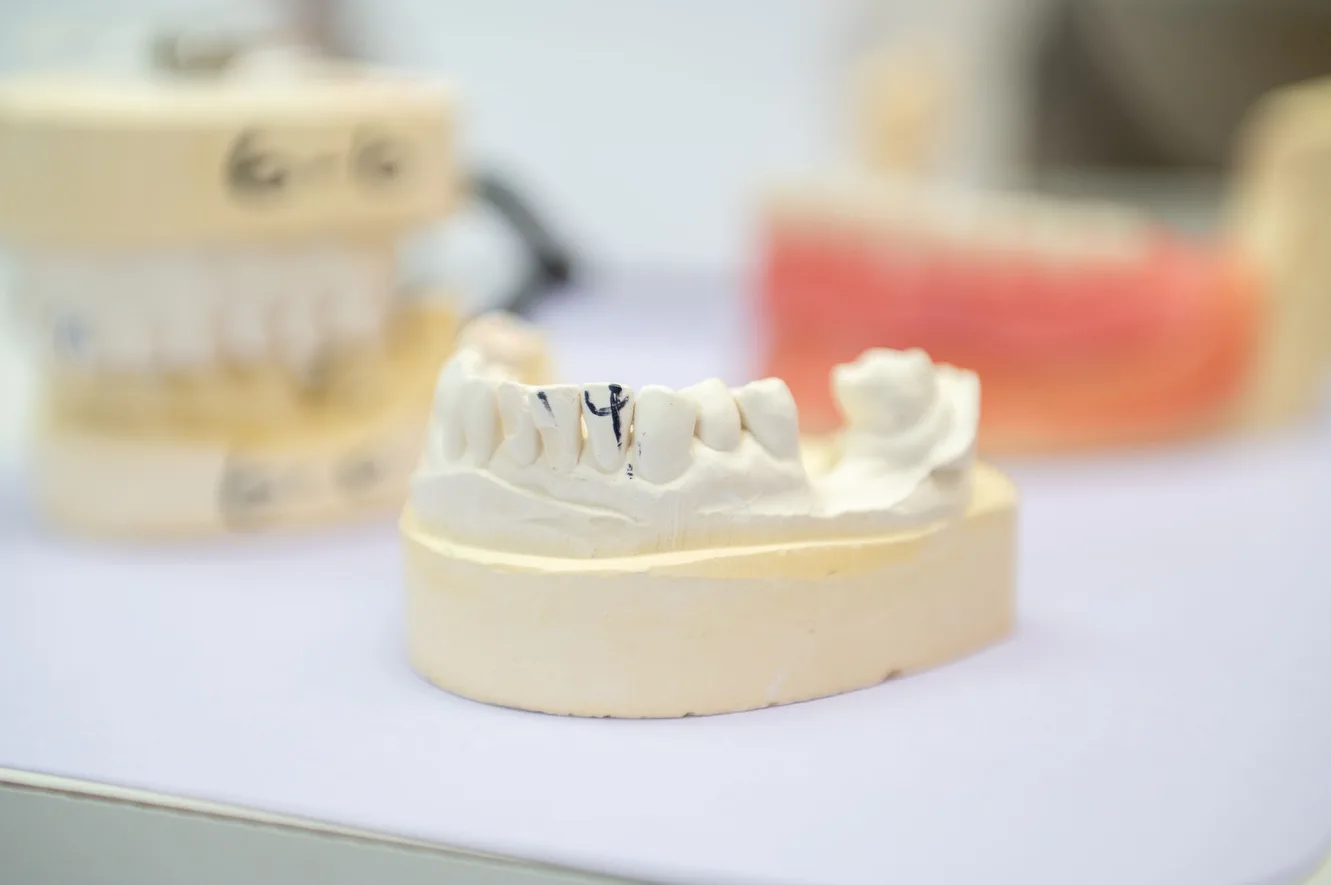
A dental crown is a custom-fitted cap that covers a damaged or weakened tooth completely, restoring its shape, strength, and appearance. Crowns are used when a tooth is too compromised for a filling alone but does not need to be removed.
- Cracked or Fractured Teeth A crown protects the tooth from further damage and relieves discomfort.
- After Root Canal Therapy Crowns seal and strengthen teeth that have been treated, extending their life significantly.
- Severely Decayed Teeth When decay is too extensive for a filling, a crown restores full function without extraction.
- Cosmetic Restoration Crowns can also improve the shape, size, or appearance of teeth that affect your confidence.
What Is a Dental Bridge?
A dental bridge literally bridges the gap created by one or more missing teeth. It anchors to the healthy teeth on either side of the space, with a lifelike artificial tooth in between. Bridges restore your bite, prevent surrounding teeth from shifting, and bring back the fullness of your smile.
- Traditional Bridge Supported by crowns placed on the teeth adjacent to the gap.
- Cantilever Bridge Anchored on only one side when there is just one neighboring tooth available.
- Implant-Supported Bridge Uses dental implants as anchors for a more stable, long-lasting result with no impact on neighboring teeth.
Materials We Use
Crowns and bridges can be crafted from several high-quality materials depending on your needs, aesthetics, and the location of the tooth. Options include all-ceramic, zirconia, and porcelain-fused-to-metal, each offering unique benefits in strength and appearance. Your provider will help you choose the best fit for your smile and lifestyle.
What to Expect
The process typically involves two visits. During the first, the tooth is prepared and impressions are taken so your restoration can be custom-fabricated. A temporary crown or bridge protects the area while your permanent one is being made. At your second visit, the final restoration is carefully placed, adjusted, and bonded for a comfortable, lasting fit.
Dental Crowns & Bridges FAQ
- How long do dental crowns and bridges last?
- With proper care, crowns and bridges can last 10 to 15 years or longer. Good oral hygiene and routine checkups help maximize their lifespan.
- Does getting a crown or bridge hurt?
- The procedure is performed with local anesthesia, so you should feel minimal discomfort. Some sensitivity after placement is normal and typically fades within a few days.
- Can I eat normally with a crown or bridge?
- Yes. Once fully healed, most patients eat and function normally. We recommend avoiding very hard or sticky foods to protect your restoration.
- What is the difference between a crown and a veneer?
- A crown covers the entire tooth and is used for structural restoration, while a veneer covers only the front surface and is primarily cosmetic. Your provider will help determine which is appropriate.
- Will my crown or bridge look natural?
- Yes. Modern materials like zirconia and all-ceramic are designed to match the color and translucency of natural teeth, making restorations virtually indistinguishable.
- Is a dental bridge better than an implant?
- Both are excellent options depending on your health, bone density, and goals. Bridges are faster and non-surgical, while implants preserve more bone and do not involve adjacent teeth. A consultation can help determine the best fit for you.
Your Holistic Dentist
Meet Dr. Miller