
Preventive Dentistry
Dental Sealants in Minnesota
A simple, effective shield against cavities where they start.
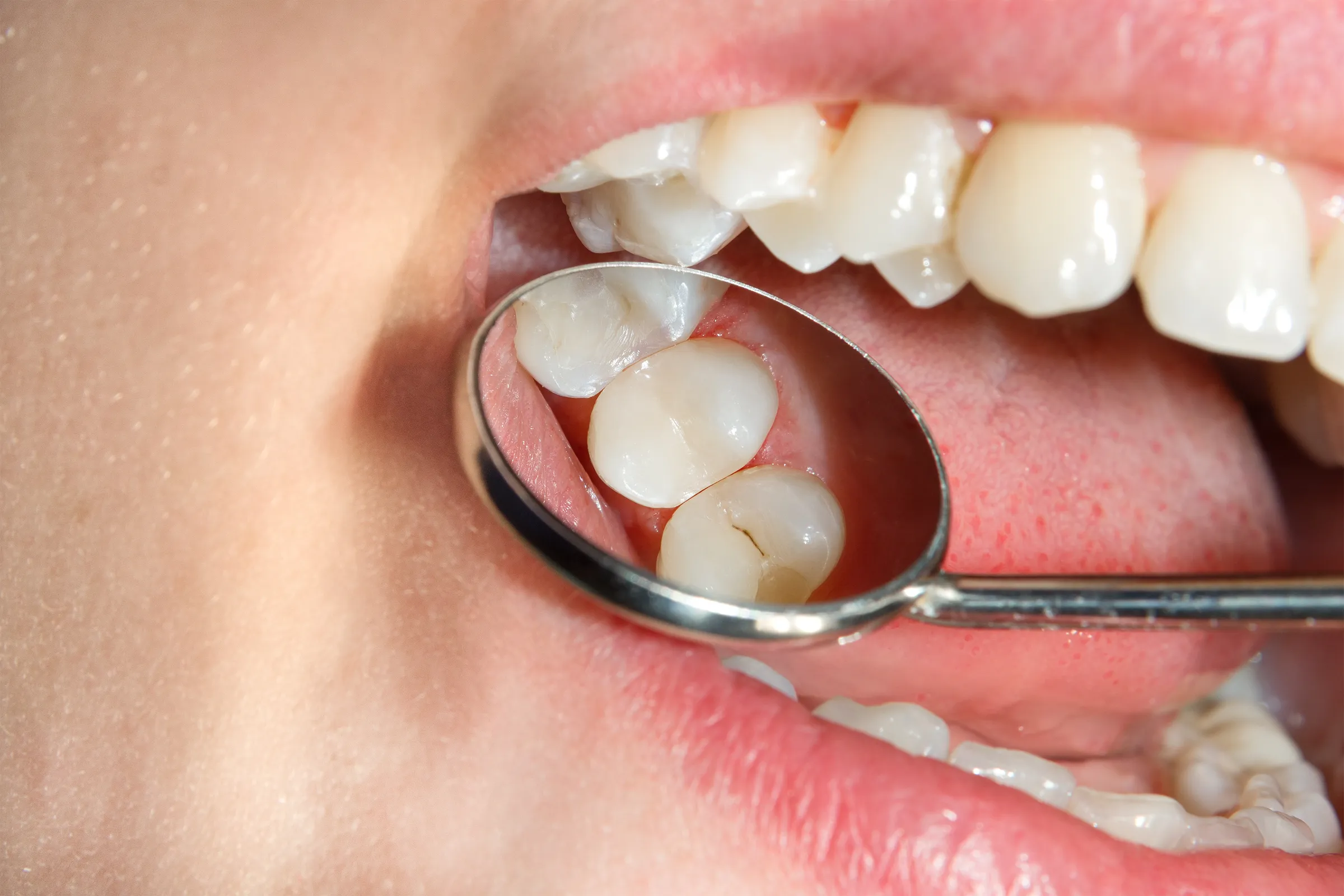
The deep grooves of back teeth are natural traps for food and bacteria, making them the most common place for cavities to form. Dental sealants provide a thin, protective coating over these vulnerable surfaces, keeping decay out before it has a chance to take hold.
Dental Sealants in Minnesota
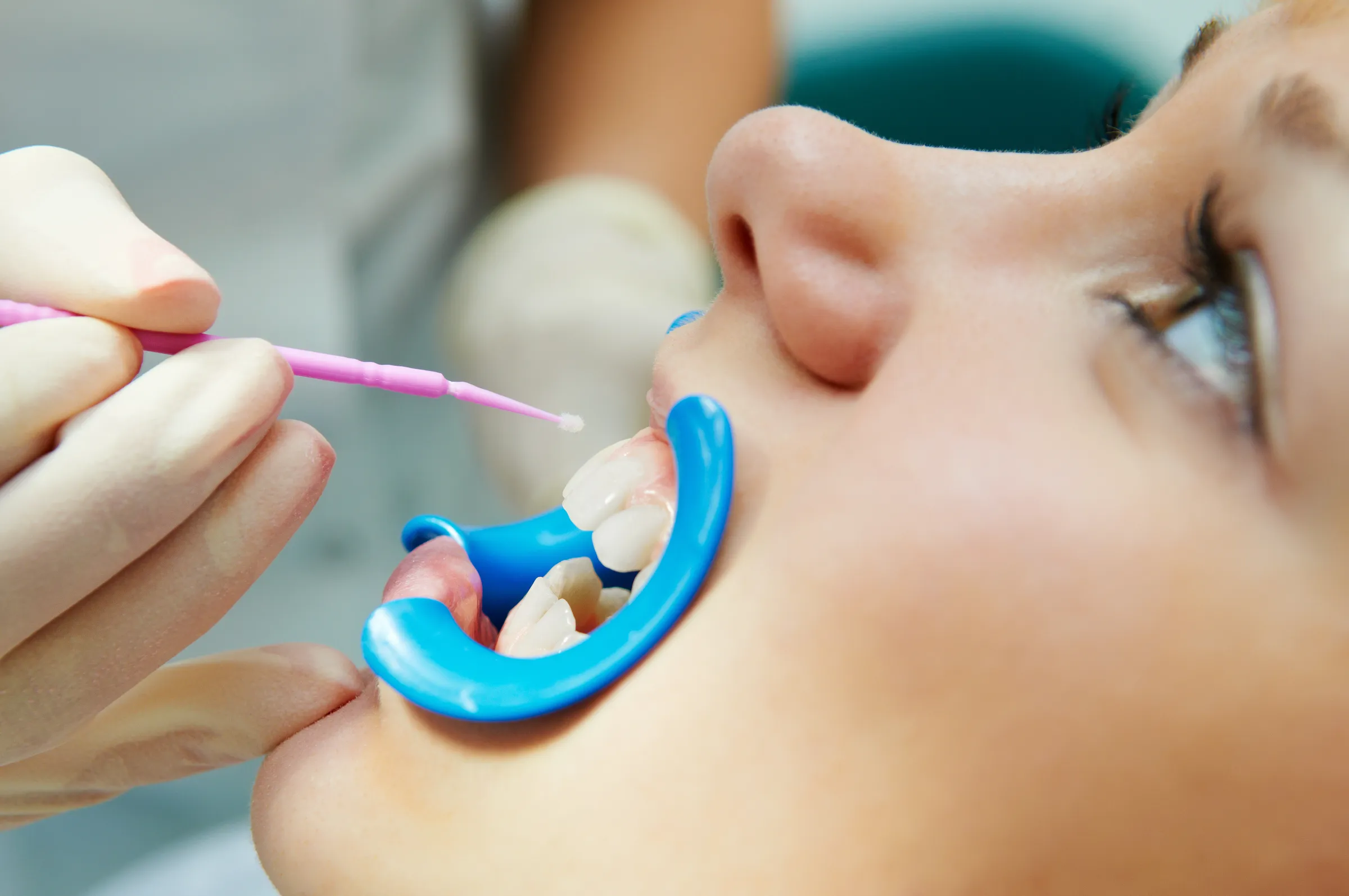
Dental sealants are one of the most effective and affordable preventive tools in dentistry. Applied quickly and painlessly in a single visit, they bond directly to the chewing surfaces of molars and premolars, creating a smooth barrier that brushing alone cannot replicate. They are especially valuable for children and teens but can benefit adults too.
How Dental Sealants Work
The chewing surfaces of back teeth have deep pits and fissures that are difficult to clean thoroughly, even with careful brushing. Sealants fill and seal these grooves, preventing bacteria and food particles from settling in and causing decay over time.
- Quick and Painless Application The process is simple, non-invasive, and completed in minutes with no drilling or anesthesia required.
- Long-Lasting Protection Sealants can protect teeth for several years before reapplication may be needed.
- Safe for All Ages Most commonly applied to children as permanent molars emerge, but adults with cavity-prone teeth can benefit equally.
- Supports Holistic Preventive Care Sealants complement a natural oral health routine by reducing the need for fillings and more invasive treatments down the road.
Who Should Get Dental Sealants?
Sealants are most commonly recommended for children between the ages of 6 and 14, as their newly erupted permanent molars are especially susceptible to cavities. However, adults who have deep grooves in their back teeth and no existing decay or fillings in those teeth are also excellent candidates. Every mouth is different, and your provider will help determine whether sealants are right for you or your child.
Part of a Whole-Body Approach to Oral Health
We believe prevention is the most powerful form of dental care. Sealants work alongside good nutrition, natural oral hygiene practices, and regular checkups to support not just your teeth but your overall wellness. Avoiding unnecessary dental work later starts with small, proactive steps today.

Dental Sealants FAQ
- At what age should my child get dental sealants?
- Sealants are typically placed when the first permanent molars erupt, around age 6, and again when the second molars come in around age 11 to 13. Sealing these teeth soon after eruption protects the deep pits and fissures during the years when cavity risk is highest. Dr. Miller pairs sealants with nutrition guidance, since diet plays a major role in decay risk for children.
- Do dental sealants hurt?
- No, sealants are completely painless. The tooth is cleaned, lightly conditioned, coated with a thin liquid sealant, and hardened with a curing light, with no drilling, needles, or anesthesia. Each tooth typically takes just a few minutes, which makes sealants an easy, low-stress visit for young children at Valley View Dental.
- How long do dental sealants last?
- Sealants typically last 5 to 10 years, although heavy chewing and grinding can wear them sooner. Dr. Miller checks every sealant at routine exams and can repair or reapply one in minutes if it chips or thins. Keeping sealants intact through the teenage years protects the molars' chewing surfaces when decay risk is highest.
- Can sealants be placed over a cavity?
- No, sealants are meant for healthy enamel without active decay. Before sealing, Dr. Miller may use DIAGNOdent laser cavity detection to check the grooves for hidden early decay. If a small cavity is found, it is treated first, often conservatively with composite resin, and the remaining healthy grooves can then be sealed to prevent new decay.
- Are dental sealants safe?
- Yes. Modern sealants such as UltraSeal XT hydro are thin resin coatings that bond to the chewing grooves of molars, and the amount used is very small. Dr. Miller isolates each tooth, places the sealant only on the grooves, and light-cures it in seconds. Families who want to discuss specific ingredients can ask at their visit, and the team is happy to explain the material and why it is recommended.
- Do sealants replace brushing and flossing?
- No, sealants protect only the chewing surfaces of the back teeth, so brushing twice daily and flossing are still essential. Cavities can still form between teeth and along the gumline. Dr. Miller often recommends a fluoride-free toothpaste with nano-hydroxyapatite, such as Dr. Jen's toothpaste, to help remineralize enamel, along with a tooth-friendly, low-sugar diet.
Your Holistic Dentist
Meet Dr. Miller