

Orthodontics
Interceptive Orthodontics in Minnesota
Guide healthy jaw and tooth development before problems have a chance to grow.
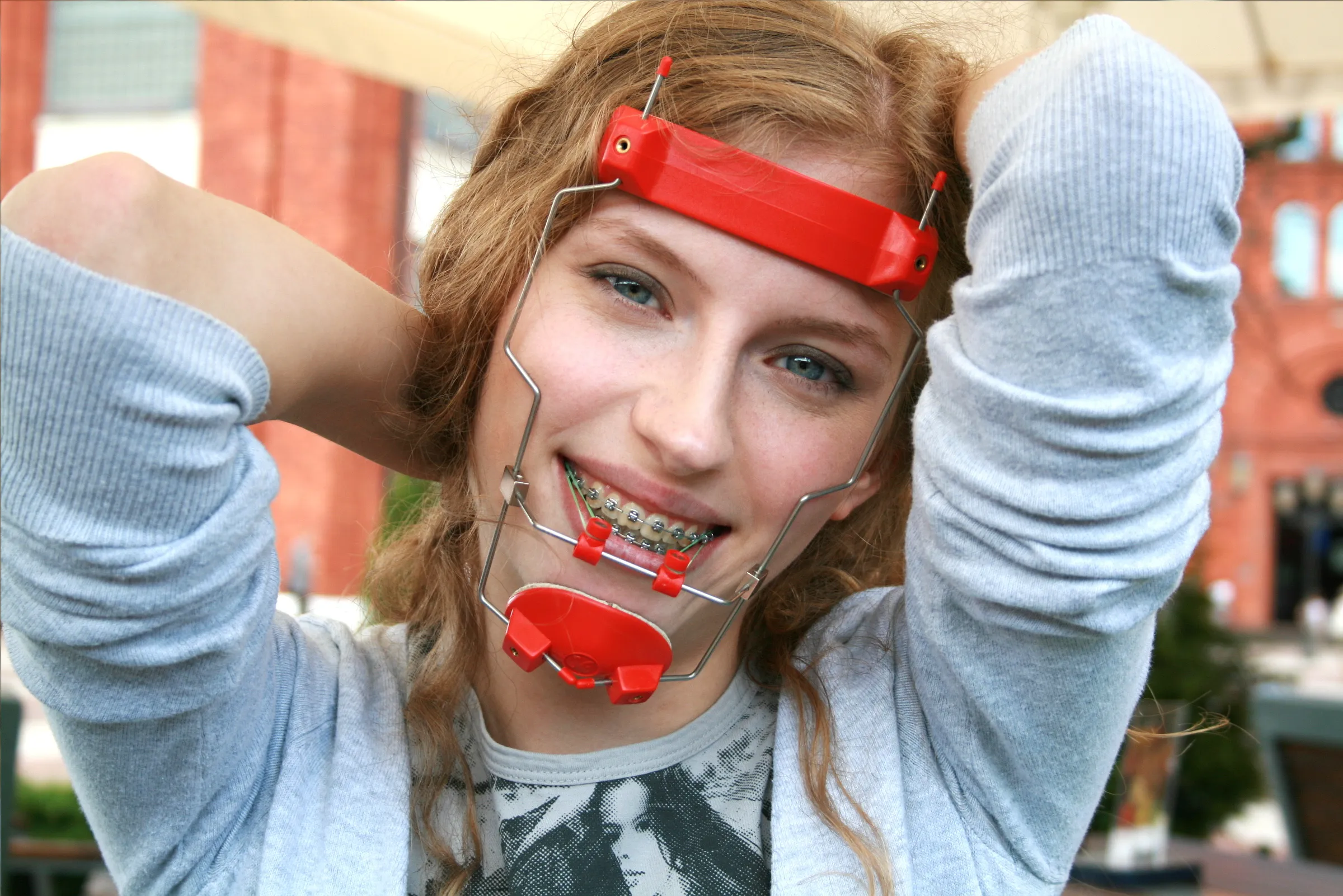
Interceptive orthodontics, also called Phase 1 orthodontics, addresses bite and alignment concerns in young children while growth is still occurring. By intervening early, we can guide the development of the jaws and teeth, often reducing the complexity, duration, and cost of orthodontic treatment needed later.
Interceptive Orthodontics in Minnesota
Traditional orthodontics waits until all permanent teeth have erupted before beginning treatment. Interceptive orthodontics takes a different approach — identifying and addressing developmental problems while baby teeth are still present and the jaw is still growing. This window of opportunity allows for corrections that are simply not possible once growth is complete.
What Interceptive Orthodontics Can Address
- Crossbite When upper teeth bite inside lower teeth, early correction prevents asymmetrical jaw growth and facilitates more natural development.
- Overcrowding Palatal expanders and other appliances can widen the jaw to create space for incoming permanent teeth, reducing the likelihood of extractions later.
- Protruding Upper Teeth Upper teeth that stick out significantly are more vulnerable to injury and can be addressed with early appliance therapy.
- Underbite Lower jaw protrusion is most effectively corrected during childhood when growth can be guided.
- Thumb-Sucking or Tongue Thrusting Oral habits that alter jaw development can be addressed with habit appliances to prevent lasting bite problems.
Phase 1 vs. Phase 2 Treatment
Interceptive orthodontics is considered Phase 1 treatment. It does not always eliminate the need for braces or aligners later, but it creates a better foundation. Phase 2 treatment, if needed, typically involves fewer corrections, shorter treatment time, and improved final outcomes compared to what would have been required without early intervention.
When Should My Child Be Evaluated?
The American Association of Orthodontists recommends that children receive their first orthodontic evaluation by age seven. At this stage, your provider can identify developing problems and determine whether early intervention is appropriate, or whether monitoring and waiting is the better course.

Interceptive Orthodontics FAQ
- At what age should my child start interceptive orthodontics?
- An evaluation at age seven is recommended. Treatment, if indicated, typically begins between ages seven and ten depending on the specific concern and jaw development stage.
- Will my child still need braces after Phase 1 treatment?
- Possibly, but not always. Phase 1 treatment simplifies the overall orthodontic picture, and if Phase 2 is needed, it is typically shorter and less involved than it would have been without early intervention.
- How long does Phase 1 treatment last?
- Most interceptive treatment programs last six to eighteen months. This is followed by a resting period where growth is monitored before any Phase 2 treatment begins.
- What appliances are used in interceptive orthodontics?
- Common appliances include palatal expanders, space maintainers, habit appliances, and partial braces. The right appliance depends entirely on what developmental concern is being addressed.
- Does interceptive treatment hurt?
- Most appliances cause mild pressure or discomfort for the first few days after placement or adjustment. This is normal and short-lived. Children adapt surprisingly quickly.
- Is interceptive orthodontics covered by insurance?
- Many orthodontic benefits apply to Phase 1 treatment. Coverage varies by plan, and our team can help review your benefits so you understand what is included before treatment begins.
Your Holistic Dentist
Meet Dr. Miller