
General Dentistry
Sleep Apnea Treatment in Minnesota
Sleep better, breathe easier, and protect your long-term health.
Sleep apnea is more than a snoring problem. It is a serious condition where breathing repeatedly stops and starts during sleep, disrupting rest and placing significant strain on the heart, brain, and immune system. Dental sleep solutions offer a non-invasive path to better breathing and deeper, more restorative sleep.
Sleep Apnea Treatment in Minnesota
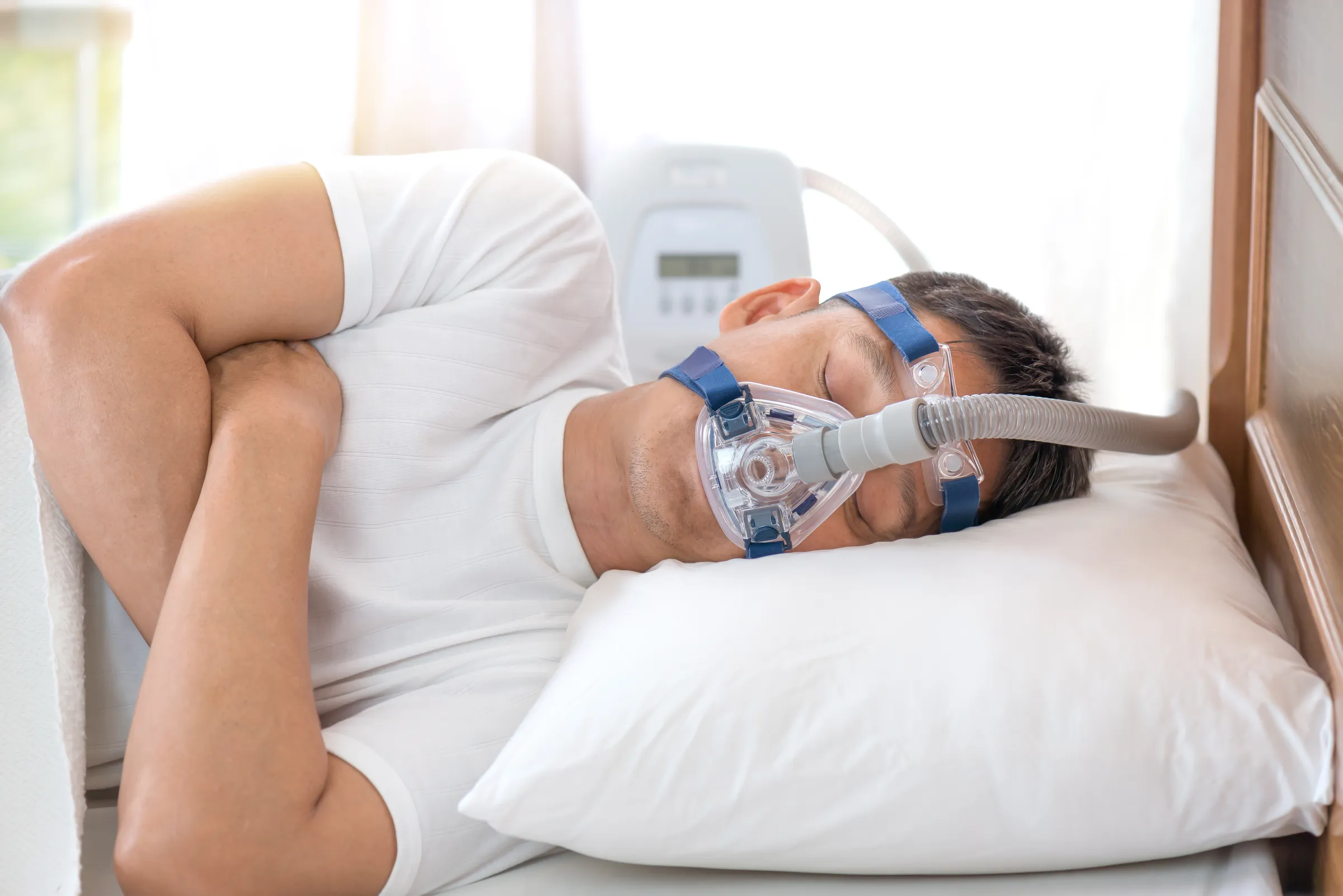
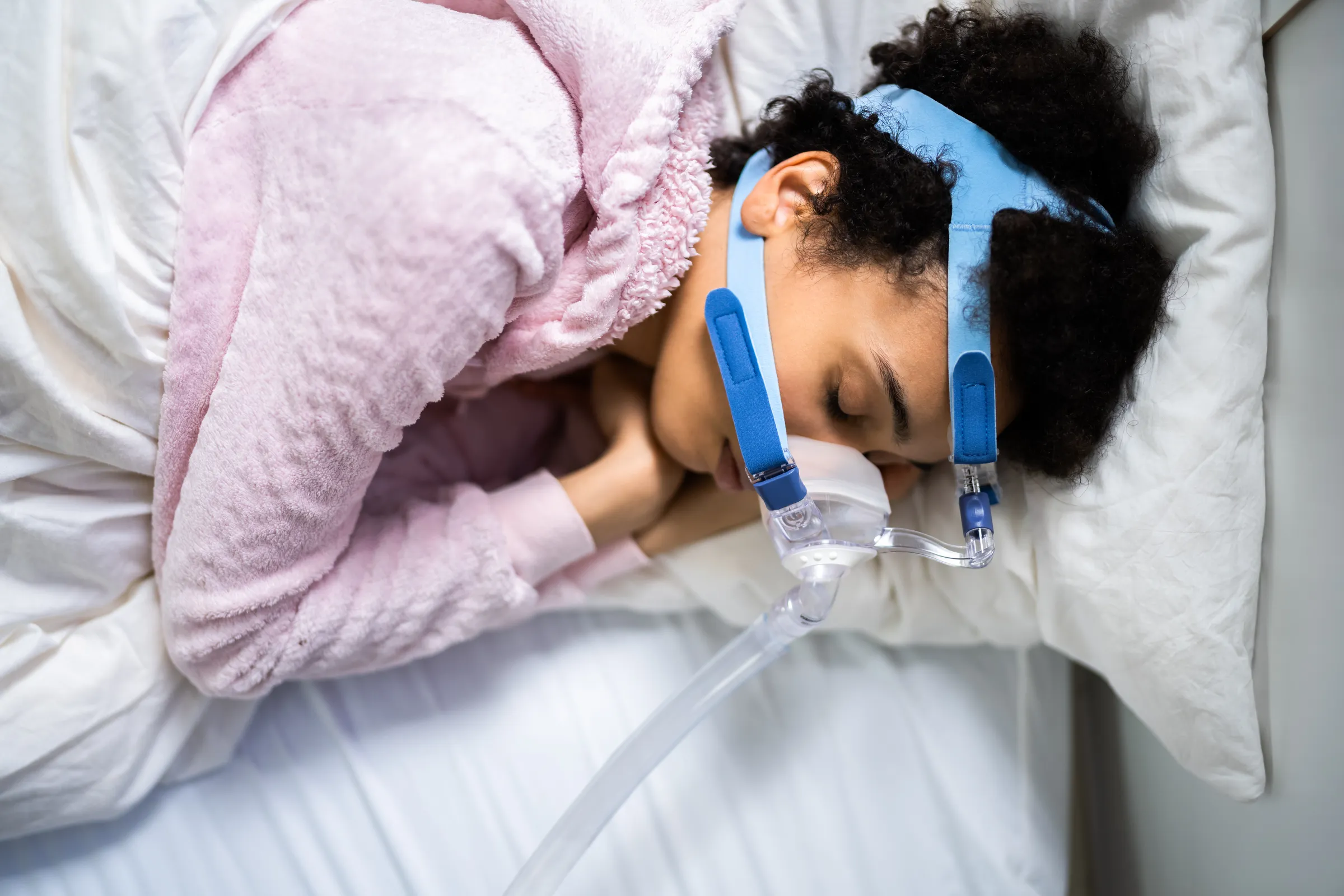
Obstructive sleep apnea occurs when the soft tissues of the throat collapse during sleep, blocking the airway. The result is fragmented sleep, oxygen deprivation, and a host of downstream health effects including increased risk of high blood pressure, heart disease, stroke, diabetes, and cognitive decline. Effective treatment makes a profound difference in quality of life and long-term health.
The Dental Approach to Sleep Apnea
For patients with mild to moderate obstructive sleep apnea, or for those who cannot tolerate CPAP therapy, a custom oral appliance offers an effective and far more comfortable alternative. The device is worn during sleep and works by gently repositioning the jaw and tongue to keep the airway open.
- Custom Oral Appliances Precisely fitted to your mouth for maximum comfort and effectiveness. Far more discreet and portable than CPAP machines.
- Mandibular Advancement Devices The most common type of sleep appliance, these gently advance the lower jaw to prevent airway collapse during sleep.
- Tongue Retaining Devices An alternative for patients who do not tolerate jaw repositioning, these hold the tongue forward to maintain an open airway.
Signs You May Have Sleep Apnea
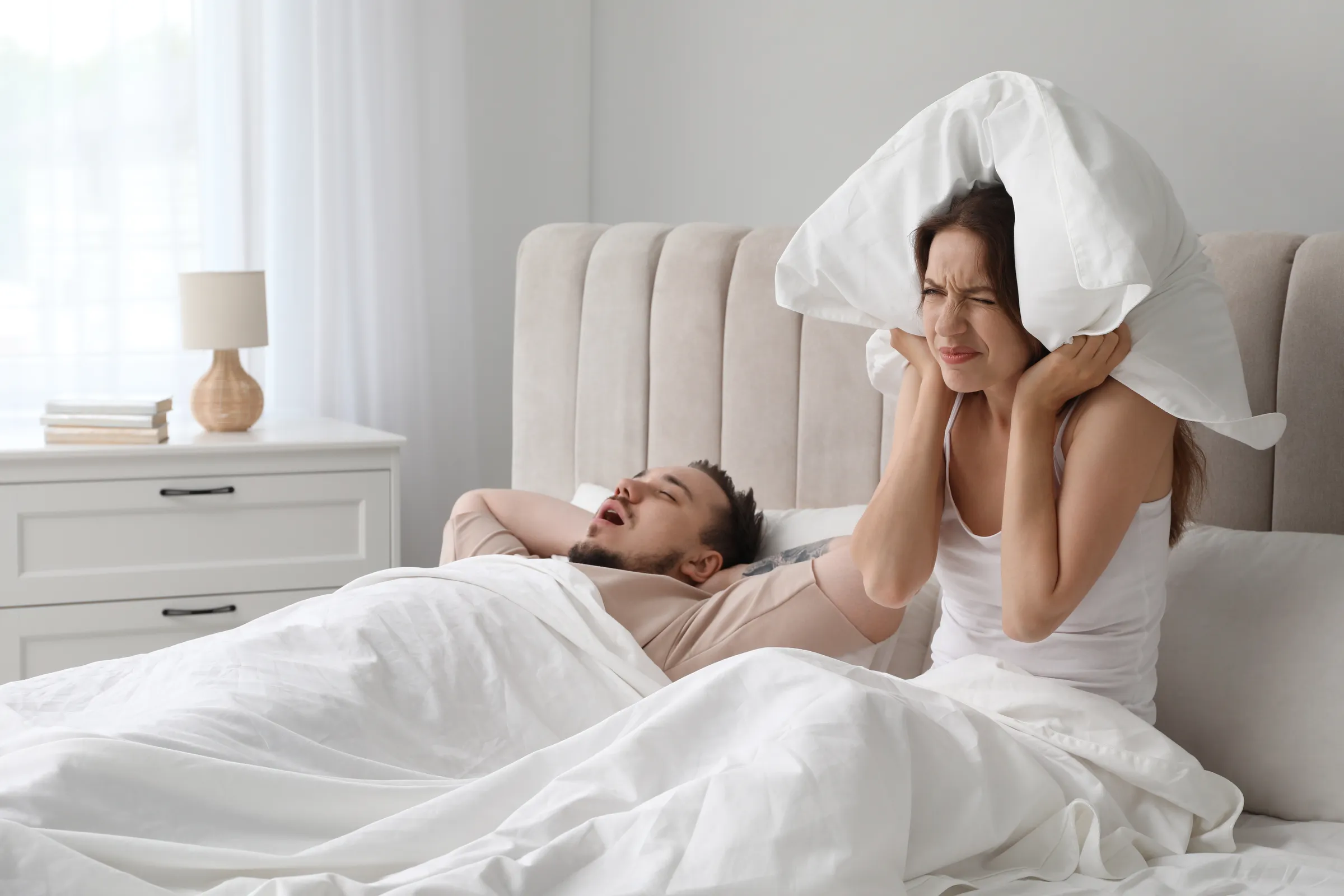
- Loud or Chronic Snoring One of the most common indicators, especially if accompanied by gasping or choking sounds.
- Waking Unrefreshed Feeling exhausted despite a full night of sleep is a hallmark sign of disrupted sleep cycles.
- Morning Headaches Reduced oxygen during the night can cause headaches upon waking.
- Daytime Fatigue Sleep deprivation accumulates, affecting mood, focus, and overall cognitive function.
A Holistic Perspective on Sleep Health
We believe that sleep is foundational to whole-body wellness. We approach sleep apnea treatment as part of a broader commitment to helping patients live healthier, more energized lives. We work collaboratively with sleep physicians when appropriate to ensure comprehensive, coordinated care.
Sleep Apnea Treatment FAQ
- How do I know if I have sleep apnea?
- Symptoms include loud snoring, waking gasping, morning headaches, excessive daytime sleepiness, and difficulty concentrating. A sleep study is needed for a formal diagnosis.
- Can a dentist treat sleep apnea?
- Yes. Dentists trained in dental sleep medicine can fabricate custom oral appliances that are highly effective for mild to moderate obstructive sleep apnea and for CPAP-intolerant patients.
- Is an oral appliance as effective as CPAP?
- For mild to moderate sleep apnea, oral appliances show comparable results to CPAP in many patients. They are also significantly more comfortable and easier to use consistently.
- Do I need a sleep study first?
- A formal sleep study or home sleep test is needed to confirm the diagnosis and severity of sleep apnea before treatment is prescribed. We can help coordinate this process.
- Will my insurance cover a dental sleep appliance?
- Many medical insurance plans, including Medicare, cover oral appliances for sleep apnea when prescribed based on a sleep study. Our team can help you navigate your coverage.
- How long does it take to get used to wearing an appliance?
- Most patients adapt within one to two weeks. Minor jaw soreness at first is common and typically resolves as the muscles adjust.
Your Holistic Dentist
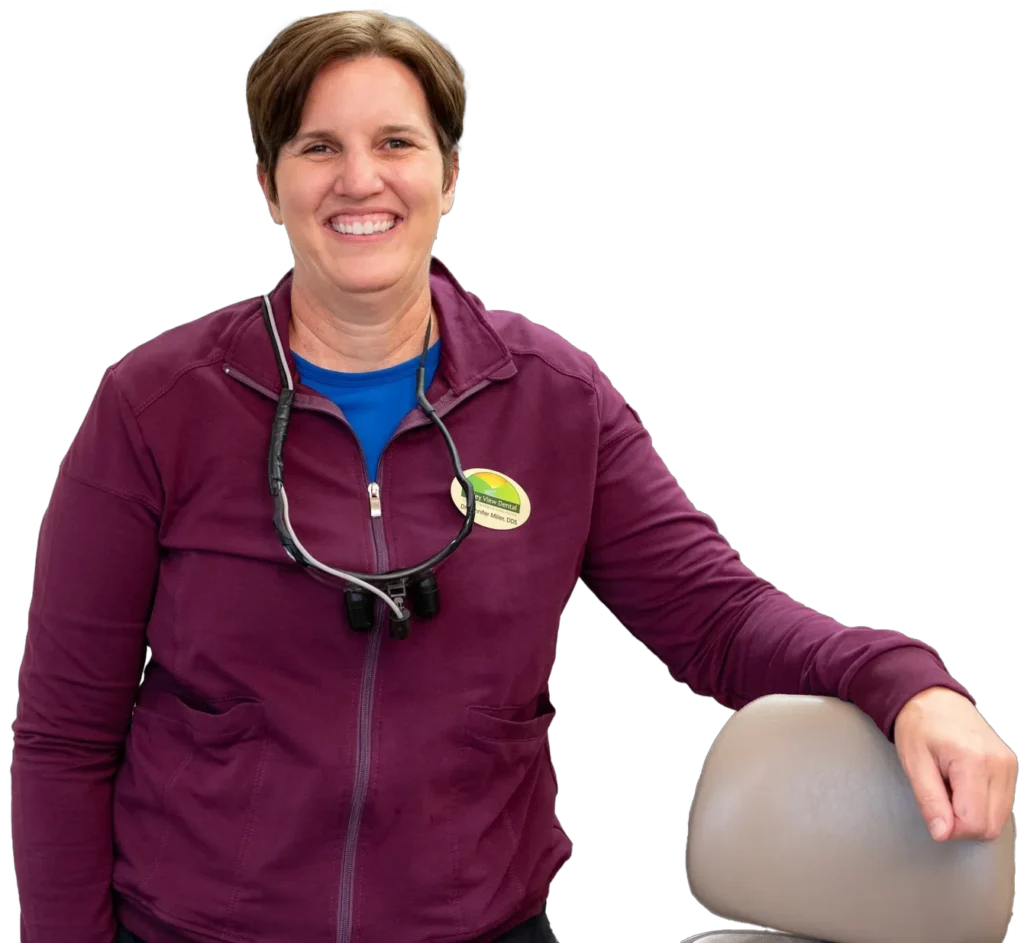
Meet Dr. Miller