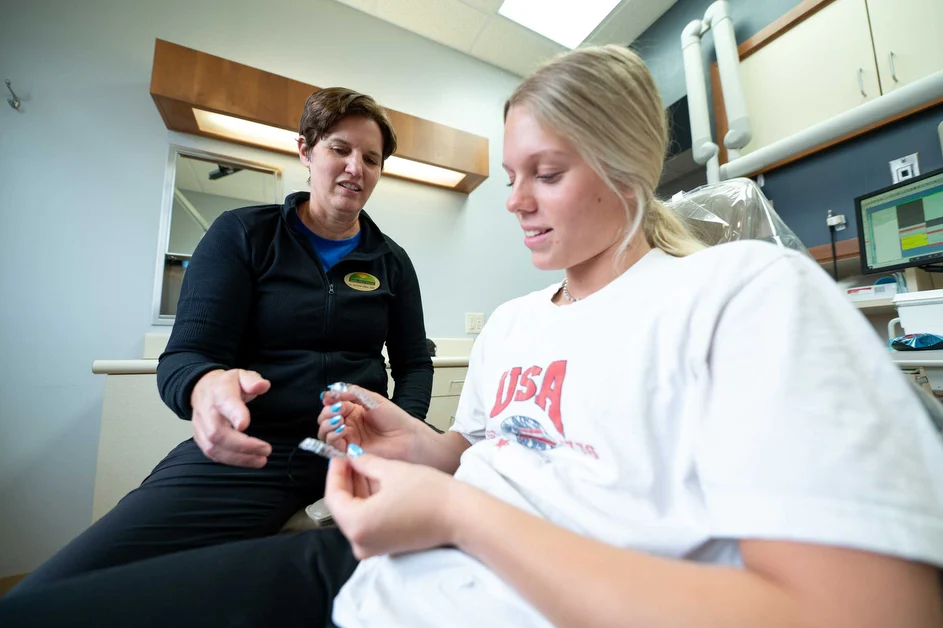


Preventive Dentistry
Dental Cleanings & Checkups in Minnesota
Your first line of defense for a lifetime of healthy teeth and gums.
A professional cleaning does far more than leave your teeth feeling fresh. It removes the hardened buildup that everyday brushing and flossing simply cannot address, while a thorough checkup gives your provider a clear picture of your oral health from the inside out. Together, they form the cornerstone of preventive care.
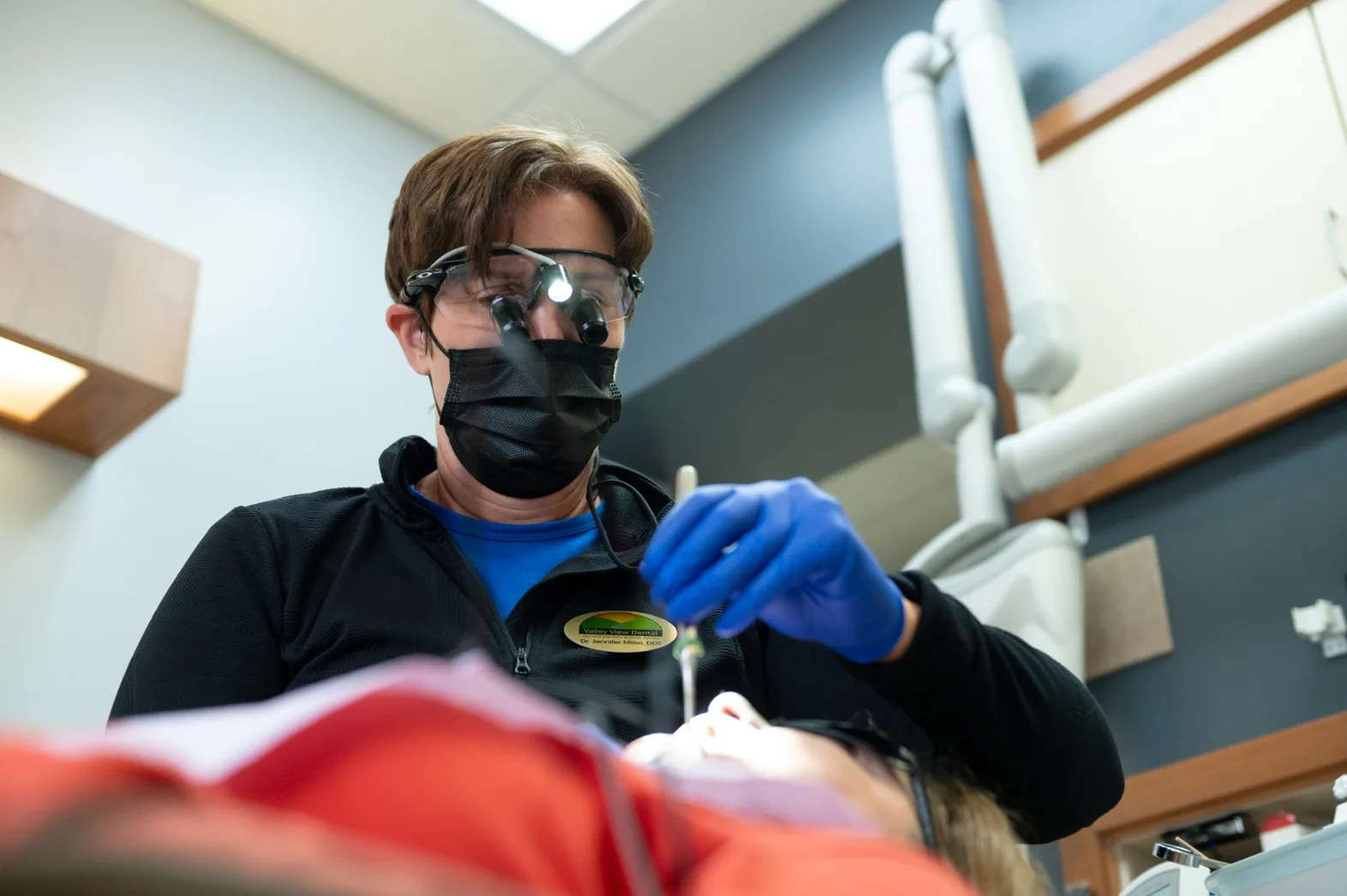
Dental Cleanings & Checkups in Minnesota
Regular cleanings and checkups are among the most important investments you can make in your health. What happens in the mouth does not stay in the mouth — research continues to connect oral health to heart health, immune function, blood sugar regulation, and more. Staying on top of your dental care is an act of whole-body wellness.
What Happens During a Dental Cleaning?
Your hygienist will gently remove plaque and tartar from all tooth surfaces, including below the gumline where bacteria tend to accumulate. Teeth are then polished and flossed, leaving your mouth clean, refreshed, and protected.
- Tartar Removal Hardened mineral deposits are carefully removed using professional tools that safely clean without damaging enamel.
- Plaque Elimination Soft bacterial buildup along the gumline is cleared before it can cause inflammation or gum disease.
- Polishing A gentle polishing treatment removes surface stains and leaves teeth smooth, making it harder for new plaque to adhere.
- Flossing Your hygienist cleans between every tooth, checking for tightness, bleeding, or signs of early gum concerns.
What Happens During a Checkup?
Your dentist will examine every tooth for signs of decay, evaluate your gum health, assess your bite and jaw function, and check soft tissues for any abnormalities. When paired with digital X-rays, this exam gives a comprehensive view of what is happening both above and below the surface.
- Tooth-by-Tooth Examination Each tooth is checked for cracks, decay, old restorations, and signs of wear.
- Gum Health Evaluation Gum pocket depths are measured to monitor for the early signs of periodontal disease.
- Oral Cancer Screening A visual and physical check of lips, tongue, cheeks, and throat is performed at every visit.
- Personalized Recommendations Your provider will discuss findings, answer questions, and create a care plan tailored to your health goals.
How Often Should You Come In?
Most patients benefit from visits every six months, though some individuals with gum disease, a history of frequent cavities, or other risk factors may benefit from more frequent care. A personalized schedule ensures you get exactly the level of support your mouth needs.
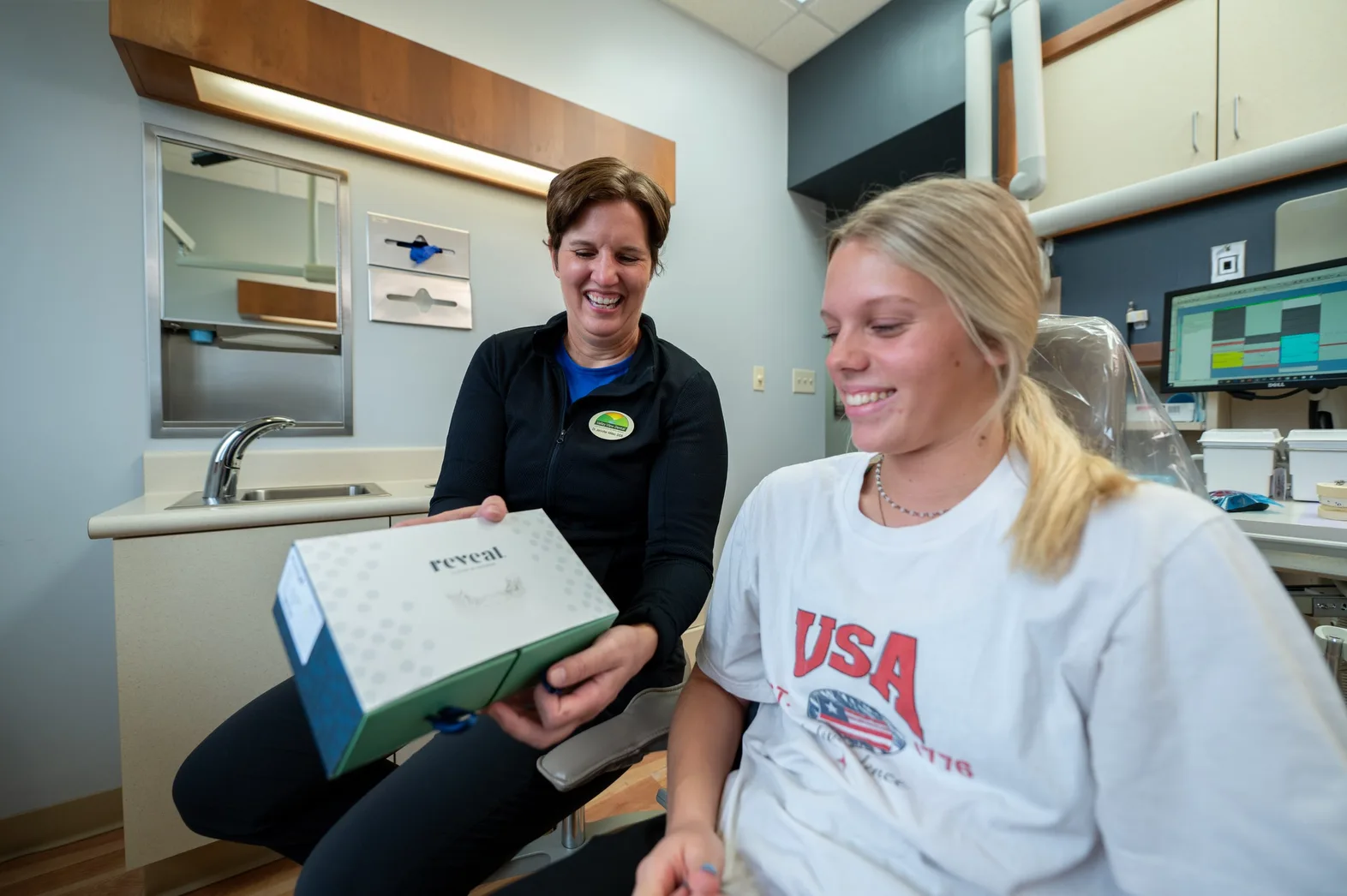
Dental Cleanings & Checkups FAQ
- How often should I get a dental cleaning?
- Twice a year is the standard for most healthy patients. If you have periodontal pockets deeper than about 4 mm, a history of gum disease, diabetes, or a weakened immune system, Dr. Miller may recommend cleanings every three to four months. Because gum inflammation is linked to inflammation elsewhere in the body, Valley View Dental bases your schedule on your gum health, not just the calendar.
- Do dental cleanings hurt?
- Most patients find cleanings comfortable. Valley View Dental uses ultrasonic scalers, which loosen tartar with gentle vibration and water rather than heavy scraping, and the hygienist works at your pace. If your gums are inflamed or sensitive, numbing gel or local anesthetic can be used, and NuCalm offers drug-free relaxation for patients who feel anxious.
- Why do I need a dental checkup if nothing hurts?
- Many serious dental problems, including cavities, gum disease, cracked teeth, and oral cancer, cause no pain until they are advanced. At a checkup, Dr. Miller measures gum pockets, screens the lips, tongue, cheeks, and throat for abnormal tissue, and may use DIAGNOdent laser detection to find early decay. Catching problems early usually means simpler, less invasive, and less costly treatment.
- Can I just get a cleaning without an exam?
- An exam is part of every cleaning visit because the type of cleaning you need depends on what the exam finds. A routine cleaning (prophylaxis) is designed for healthy gums, while pockets of 4 mm or more with bleeding may call for scaling and root planing or Perio Protect tray therapy. The exam ensures Dr. Miller and the hygienist treat the condition you actually have.
- Is there anything I should do before my dental appointment?
- Brush and floss as usual, and bring an updated list of medications and supplements, such as vitamin D3, K2, or blood thinners. Let the team know about any new health diagnoses, pregnancy, or recent changes, because Dr. Miller's functional-medicine approach looks at how your overall health affects your mouth. Arriving a few minutes early helps your visit feel unhurried.
- What if it has been years since my last dental cleaning?
- You are welcome at Valley View Dental, with no judgment. Dr. Miller will start with a comprehensive exam and digital X-rays to see where things stand, then build a gentle, step-by-step plan. If significant tartar or gum inflammation has developed, your first visit may be a deeper cleaning, followed by regular maintenance. Many patients from Mankato and the surrounding area return after long gaps.
- What can help with sensitive teeth after a cleaning?
- Mild sensitivity after a cleaning usually fades within a day or two. For patients with exposed root surfaces or ongoing sensitivity, Valley View Dental can apply Super Seal, an in-office desensitizer that seals open dentin tubules in seconds. At home, a fluoride-free nano-hydroxyapatite toothpaste such as Dr. Jen's can help support enamel and reduce sensitivity over time.
Your Holistic Dentist
Meet Dr. Miller